
Non-refundable deposit in US dollars
from $1,000,000
A non-refundable contribution of $1,000,000 in BTC or USDT to the Economic Development Fund.
An additional $1,000 is required for each dependent included in the application.
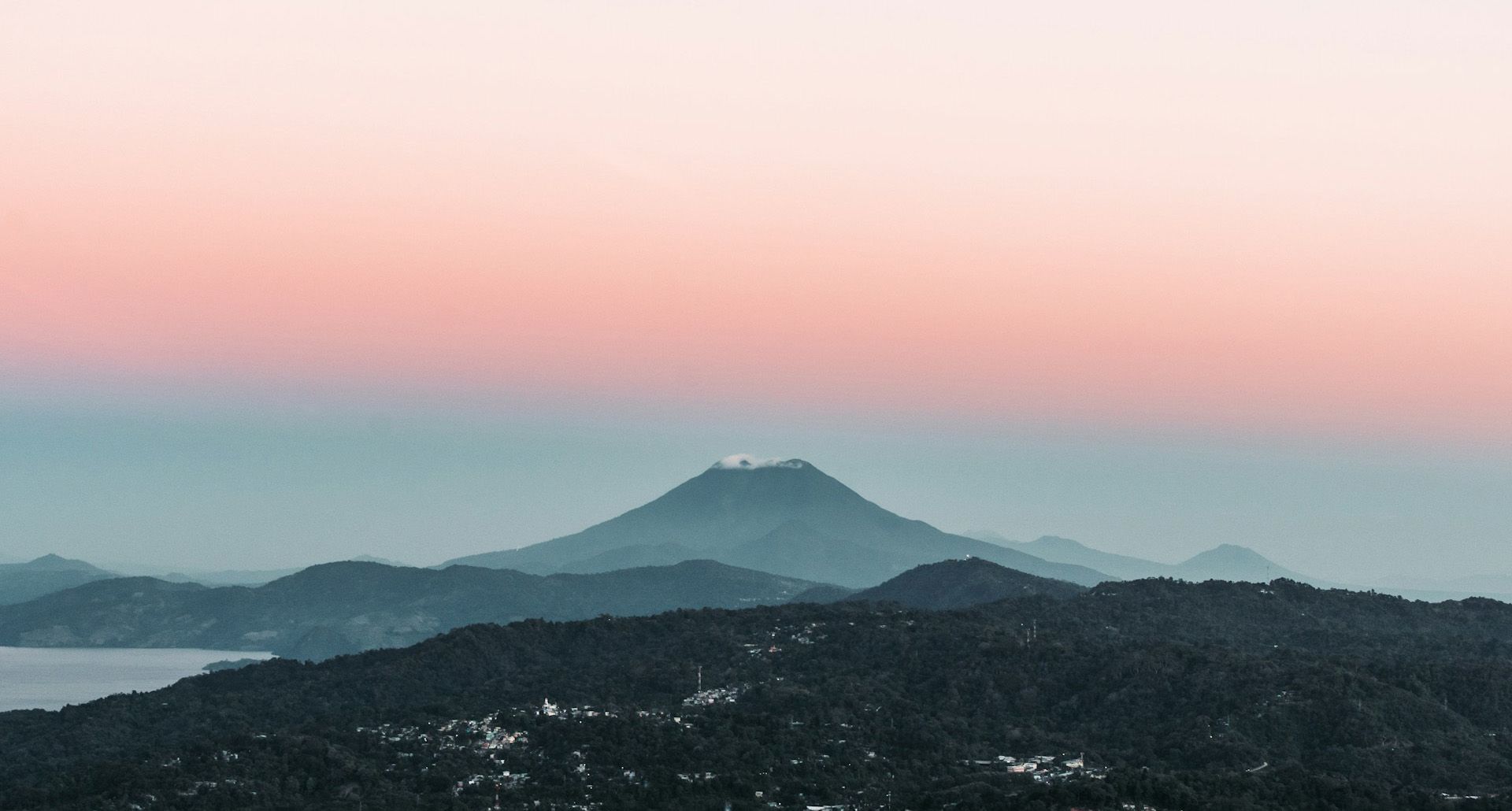
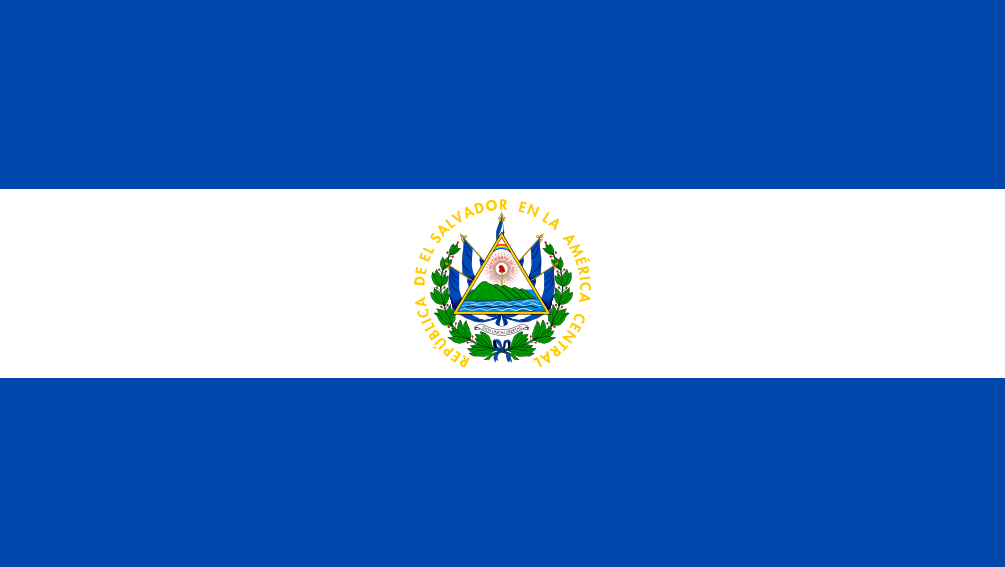
El Salvador is a small but dynamically developing country in Central America, bordered by the Pacific Ocean and sharing land borders with Guatemala and Honduras. The country is known for its volcanic landscapes, lakes, and rich cultural heritage, attracting those seeking new opportunities in one of the world's most ambitious regions. El Salvador appeals to investors and expats not only because of its geographic location but also due to its unique citizenship program, which has become one of the most talked-about globally thanks to its innovative approach to investment.
El Salvador's nature is striking in its diversity: from tropical rainforests and cloud forests in the highlands to volcanic peaks and the Pacific coastline. Two mountain ranges of volcanoes cross the country, and the climate varies from hot and humid in the lowlands to cooler temperatures in the mountains. Despite its modest size, El Salvador offers remarkable natural diversity and numerous national parks that preserve unique ecosystems.
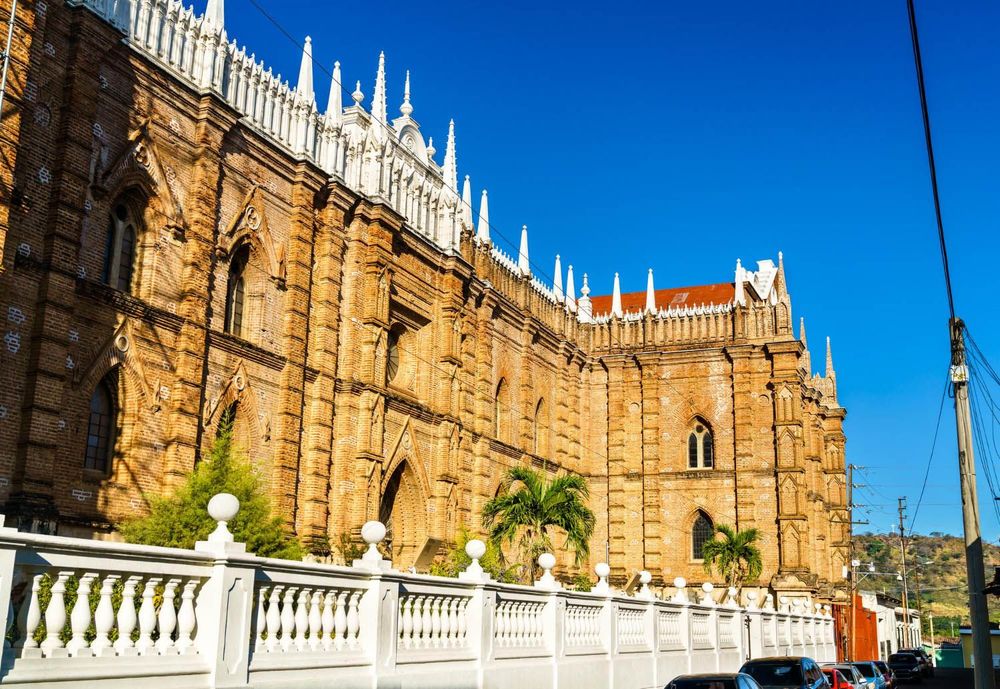
The cultural heritage of El Salvador is equally rich: the majority of the population is mestizo, and the official language is Spanish. The capital, San Salvador, and other cities offer a blend of colonial architecture, modern amenities, and a vibrant cultural life with numerous festivals and traditions. This cultural openness makes the country a comfortable place for expats and their families.
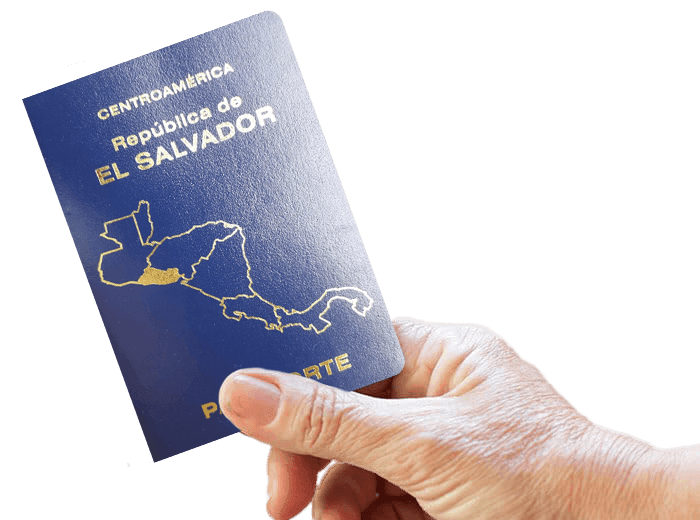
In addition to its cultural and natural wealth, El Salvador offers foreign investors one of the most innovative citizenship programs in the world. The country has launched a unique citizenship pathway through cryptocurrency investments. The program operates using digital assets without the need for conversion into traditional currency, and the entire processing time takes from several weeks to a few months. Citizenship extends to the spouse and minor children.
El Salvador's tax system is built on the principle of territoriality, making the country one of the most attractive jurisdictions in Latin America for international investors, entrepreneurs, and digital nomads. This means that only income generated within the country is subject to taxation, while income from foreign sources is completely exempt. A major income tax reform in 2024 further reinforced this rule, exempting both residents and non-residents from tax on income earned abroad.
A key advantage of El Salvador's tax regime is the absence of capital gains tax on Bitcoin and other cryptoasset transactions. This policy, introduced after the adoption of Bitcoin as legal tender in 2021, makes the country a global hub for crypto investors and blockchain companies. Investors can freely trade and invest in digital assets without worrying about tax liabilities, which is particularly attractive given the strict cryptocurrency regulations in other countries.
For individuals, a progressive income tax scale applies to income earned in El Salvador, with rates up to 30%. Capital gains are taxed at 10%, except when an asset is sold within 12 months of acquisition — in which case the profit is taxed as ordinary income. Corporate tax stands at 30% (or 25% for companies with annual income below $150,000).
Additionally, El Salvador has no wealth tax, inheritance tax, or gift tax. VAT is set at 13%. Importantly, the country does not participate in the automatic exchange of financial information under the CRS standard, providing an extra layer of confidentiality for international investors and business owners.



ID renewal (through the consulate or through the country)
%20rotate(90)'/%3e%3c/svg%3e)
I thank One World Migration for the opportunity to move to Turkey with their help. I looked to relocate my company to be closer to my European partners and suppliers from the Middle East.

I first came to Portugal as a tourist 3 years ago. Having assessed the situation and got acquainted with this country, I decided that I wanted to stay here to live. Thanks to the efforts of One World Migration, this became possible.

The decisive factor for me in my decision to obtain Grenadian citizenship was the possibility of a visa-free visit to Europe, where my husband and I love to come both on business trips and on vacation. Thank you One World Migration!

I have to thank OneWorld Immigration and their customer mentality for the Grenada citizenship. They were able to prepare all the necessary documents in the shortest possible time and without undue worry and accompanied us throughout the entire process.


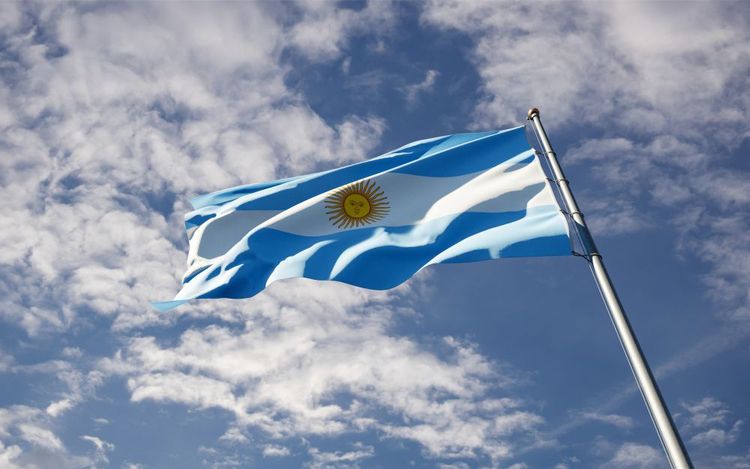
Argentina plans to launch its citizenship by investment program in the fourth quarter of 2026. Applicants will be offered two routes — a contribution to the national treasury or the purchase of a government bond. Family members can be included in the application.
Portugal has approved a major citizenship law reform, significantly tightening the rules. Key changes include increased residency requirements (up to 10 years), mandatory language and culture tests, and stricter rules for children born to foreign parents.
A new draft law in Romania proposes a Residency by Investment program, granting non-EU citizens a renewable 5-year residence permit. The program requires a €400,000 minimum investment in bonds, real estate, funds, or shares.