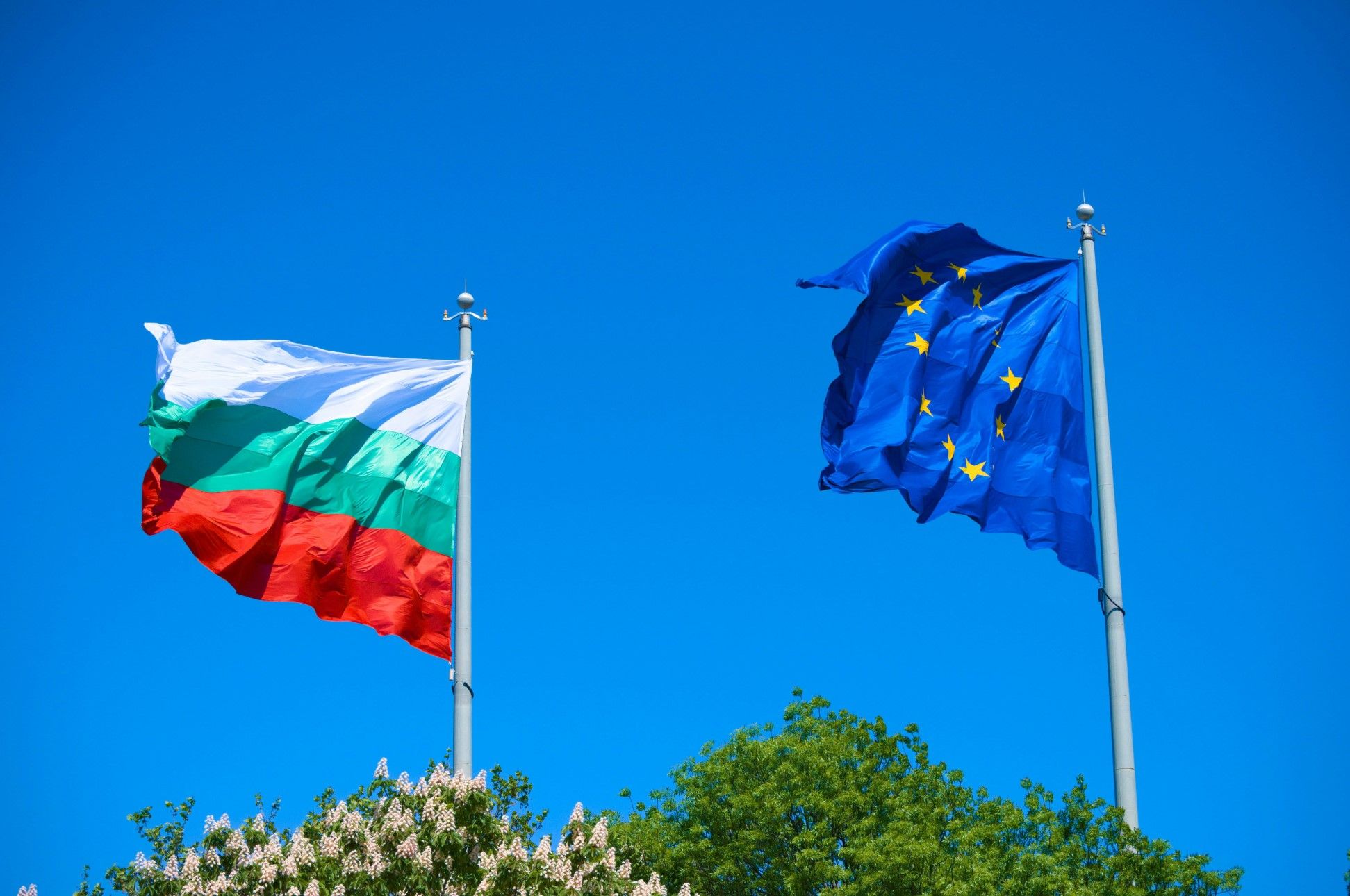
Bulgaria, being a member of the European Union since 2007, has steadily increased its attractiveness among foreign entrepreneurs and investors. In addition to its picturesque landscapes and rich cultural heritage, the country offers one of the most favorable tax systems in the EU. A simple structure, low rates, and incentive measures make Bulgaria a serious player on the global investment map. Below, we examine the features of Bulgarian taxation and its benefits for businesses.
General Tax System of Bulgaria
Unlike several Western European countries, Bulgaria offers a more simplified tax model. The main taxes are applied at flat rates, making administration and financial planning less costly. The system is based on the Tax and Social Security Procedure Code and specialized regulatory acts.

Key principles:
- Uniform rates: Corporate income tax and personal income tax are set at the same level regardless of income amount.
- Territoriality principle: Only profits earned in Bulgaria are subject to taxation. Foreign income is exempt from tax under certain conditions.
- Compliance with EU standards: Bulgaria has harmonized its tax regulations with EU directives on VAT and other matters.
- Digitalization: Active implementation of electronic services for reporting and interaction with tax authorities.
Main taxes:
- Corporate income tax
- Personal income tax
- VAT
- Excise duties
- Property taxes
- Local fees
Corporate and Personal Income Taxes
Corporate tax: The rate is only 10%, making it one of the lowest in Europe. It applies to all legal entities registered in Bulgaria, as well as to the income of foreign company branches.
The tax base is determined as the difference between income and justified expenses.
Features:
- No tax on dividends from capital participation (under certain conditions).
- Sale of shares and equity interests is not subject to capital gains tax.
- Losses can be carried forward for up to 5 years.
- Quarterly advance payments are provided.
Personal income tax: A fixed rate of 10%. Applies to all types of income for residents and income earned in Bulgaria by non-residents.
Residency is recognized if there is a permanent address, residence for more than 183 days, or a center of vital interests in the country.
Key income categories:
- Salaries: Tax is withheld by the employer.
- Self-employed income: Taxed at 10% of profit.
- Dividends: 5% at source, with reduced rates under international agreements.
- Interest, royalties: 10%, with possible reductions under double taxation treaties.
Social contributions:
- Pension fund: 14.8% (shared between employee and employer).
- Health insurance: 8%.
- Unemployment and occupational risk insurance: 1.1–1.9% (employer).
- For entrepreneurs: Approximately 25–30% of the chosen base.
VAT and Additional Levies: European Compatibility
VAT: Standard rate is 20%.
Reduced rates:
- 9% — Hotel services.
- 0% — Exports, intra-European trade, international transport.
Mandatory registration applies if annual turnover exceeds 100,000 BGN (~51,000 EUR), with voluntary registration possible. The mechanism operates on a deduction principle: the difference between charged and input VAT is paid or refunded.
Excise duties: Applied to tobacco, alcohol, fuel, electricity, and vehicles.
Rates:
- Gasoline: ~1000 BGN/1000 liters
- Cigarettes: 120 BGN/1000 units + 42% of retail price
- Beer: ~8–10 BGN/degree/hectoliter
- Wine — No excise duty
Property taxes:
- Real estate: 0.01% – 0.45% of cadastral value (rate set by the municipality)
- Inheritance and gifts: 0.4% – 20% depending on kinship and residency
- Transport: Annual fees, depending on the vehicle
- Local fees: For waste collection, permits, etc.
Incentives and Double Taxation Treaties
Bulgaria offers significant fiscal incentives.
For investors:
- Full or partial corporate tax exemption for up to 10–15 years — for investments in priority sectors and regions with high unemployment.
- Municipal property tax exemptions for up to 10 years.
For startups and IT companies:
- Reduced contributions for programmers.
- R&D expenses are fully deductible in the year they are incurred.
Double Taxation Treaties: Over 70 agreements, including EU countries, the USA, Russia, China, and Canada. The goal is to minimize double taxation. Reduced rates are established for dividends, interest, and royalties, and taxation rights are allocated based on the type of activity.
Example: If a Bulgarian company pays dividends to a parent company in Germany and the ownership threshold is met, the rate may be 0%.

Practical Examples
Scenario 1. Holding Structure
- Profit: 1,000,000 EUR
- Corporate tax: 10% = 100,000 EUR
- Dividends: 5% of 900,000 EUR = 45,000 EUR
- Total tax burden: 145,000 EUR (14.5%) — half the EU average.
Scenario 2. Startup in a Technopark:
- Profit: 500,000 EUR
- Corporate tax: 0% (incentive)
- Full reinvestment possible
Operational benefits:
- Production: 0% VAT on exports, 10% corporate tax
- Support centers (back office): Low taxes + moderate salaries
- Trading: For activities outside Bulgaria — tax benefits due to the territorial principle
Personal tax planning:
- Residents pay only 10% on income, 5% on dividends, while capital gains are often tax-exempt.
- Self-employed and freelancers optimize taxation with fair social contribution levels.
Bulgaria's tax policy is one of the strongest arguments for doing business in the region. Low rates, no taxes on certain income categories, clear rules, and the application of international treaties create a favorable environment. While other factors—from administrative procedures to infrastructure—also play a significant role, combined with fiscal incentives, Bulgaria forms a stable platform for business and investment within the EU.